
Effective keyword research techniques for improved organic SEO traffic are the foundation of any content strategy that aims to attract qualified visitors and convert them over time. This guide walks through a repeatable, measurable process you can use to discover high‑opportunity keywords, align content with search intent, and turn research into sustainable organic traffic SEO gains. You’ll get tactical steps, tool recommendations, content templates, and measurement plans so you can implement effective keyword research techniques for improved organic SEO traffic immediately and see results within weeks and months.
What Is Keyword Research and Why It Matters for Organic Traffic SEO
Definition and purpose Keyword research is the systematic process of identifying the words and phrases people use when searching online, then prioritizing those terms by intent, volume, and opportunity. Effective keyword research techniques for improved organic SEO traffic start with understanding user needs and end with content that satisfies those needs while signaling relevance to search engines.
How keywords connect to organic traffic When you map the right keywords to the right pages, search engines can match queries to your content. That match increases visibility, click‑through rate, and the likelihood that visitors will engage and convert. Effective keyword research techniques for improved organic SEO traffic ensure your pages are discoverable by the people most likely to benefit from them, improving overall seo organic traffic performance.
Common mistakes that limit organic traffic growth
- Chasing only high‑volume keywords without regard to intent.
- Ignoring long‑tail keywords for organic traffic that convert better.
- Failing to analyze SERP features and competitor intent. Avoid these pitfalls by applying effective keyword research techniques for improved organic SEO traffic that prioritize relevance and opportunity.
How Keyword Research Impacts SEO Organic Traffic Growth
Search intent alignment Search intent is the single most important factor in converting searchers into visitors and customers. Effective keyword research techniques for improved organic SEO traffic begin with classifying intent—informational, navigational, commercial, or transactional—and mapping content types to each intent.
Keyword difficulty vs. opportunity Not every keyword is worth pursuing. Use difficulty metrics and opportunity scoring to prioritize terms where you can realistically rank. Effective keyword research techniques for improved organic SEO traffic balance short‑term wins (low difficulty, moderate volume) with long‑term authority plays (high volume, high difficulty).
Role of long‑tail keywords Long‑tail keywords for organic traffic capture specific queries and often indicate stronger intent. Incorporating long‑tail keywords into your content mix is one of the most reliable effective keyword research techniques for improved organic SEO traffic, especially for smaller sites or niche topics.
Informational vs Commercial Keywords
- Informational: People seeking knowledge; ideal for blog posts and guides.
- Commercial: People comparing or evaluating; ideal for comparison pages and product guides.
Short‑Tail vs Long‑Tail Keywords for Organic Traffic
- Short‑tail: Broad, high volume, high competition.
- Long‑tail keywords for organic traffic: Specific, lower volume, higher conversion potential.
Step‑by‑Step Keyword Research Process for Organic SEO Traffic
This section outlines a repeatable workflow of effective keyword research techniques for improved organic SEO traffic. Follow it step by step and adapt to your niche.
1. Identify Seed Keywords Based on Business Goals
Start with 10–20 seed topics that reflect your products, services, and customer problems. Seed keywords are the foundation for expansion.
How to collect seeds
- Review product pages, service descriptions, and FAQs.
- Pull language from customer support tickets, sales calls, and reviews.
- Interview sales or support teams for common phrases.
Document seeds in a spreadsheet and tag each by intent. This initial mapping is a core part of effective keyword research techniques for improved organic SEO traffic.
2. Expand Seed Keywords into Idea Lists
Use tools and SERP analysis to expand seeds into long lists of related queries.
Expansion tactics
- Use “People Also Ask,” related searches, and autocomplete suggestions.
- Generate question formats and modifiers: “how to,” “best,” “vs,” “examples.”
- Create long‑tail variations and local modifiers if relevant.
This expansion phase produces the raw material for content and is central to effective keyword research techniques for improved organic SEO traffic.
3. Analyze Search Intent and SERP Features
For each keyword, inspect the SERP to determine intent and features like featured snippets, People Also Ask, videos, or shopping results.
What to look for
- Dominant content type (guides, product pages, lists).
- Presence of rich results (snippets, knowledge panels).
- Competitor pages and their content depth.
Align your content format to the SERP to maximize organic traffic SEO performance. This alignment is a practical application of effective keyword research techniques for improved organic SEO traffic.
4. Evaluate Keyword Difficulty and Search Volume
Use multiple tools to estimate difficulty and volume. Prioritize keywords with a favorable difficulty‑to‑volume ratio.
Scoring approach
- Assign a difficulty score, volume estimate, and business relevance score.
- Calculate an opportunity score: .
- Prioritize keywords with the highest opportunity.
This scoring helps you apply effective keyword research techniques for improved organic SEO traffic in a data‑driven way.
5. Find Low‑Competition Keywords That Drive Organic Traffic
Look for niche queries, question formats, and local modifiers. These often have lower competition and higher conversion potential.
Sources for low‑competition ideas
- Internal site search logs.
- Niche forums and community Q&A.
- Long‑tail variations surfaced by keyword tools.
Targeting these terms is one of the most effective keyword research techniques for improved organic SEO traffic for smaller sites.
Best Tools for Effective Keyword Research
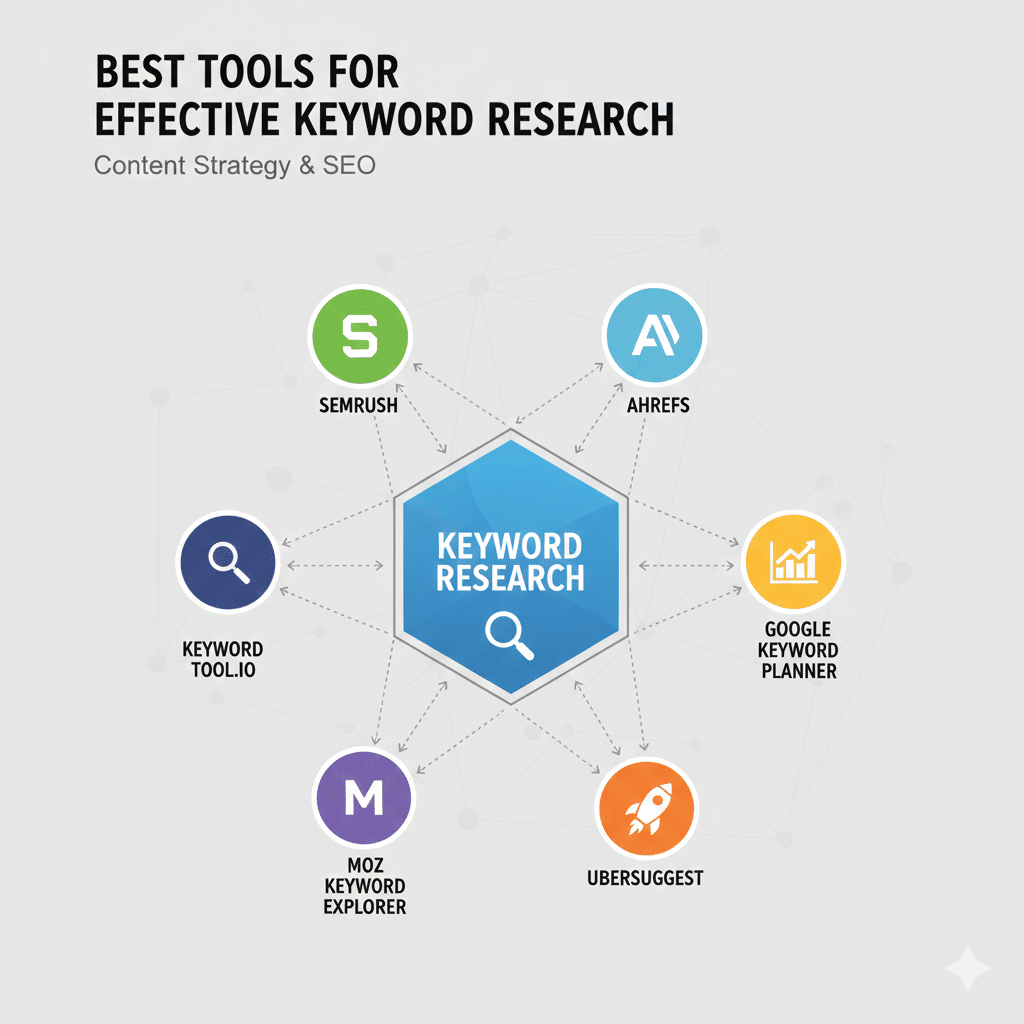
A mix of free and paid tools will give you the best data. Here are recommended tools to implement effective keyword research techniques for improved organic SEO traffic.
- Google Search Console — discover queries that already drive impressions and clicks.
- Google Keyword Planner — volume estimates and seed expansion.
- Ahrefs / SEMrush — comprehensive keyword data, difficulty scores, and competitor analysis.
- Ubersuggest / Moz / Serpstat — budget‑friendly alternatives.
- AnswerThePublic / People Also Ask — question and topic discovery.
- Internal analytics and site search — real user queries and intent signals.
Combine multiple sources to triangulate data and validate opportunities; this is a core principle of effective keyword research techniques for improved organic SEO traffic.
Advanced Keyword Research Techniques for Improved Organic Traffic
Once you have a baseline, scale with advanced tactics that compound results.
Competitor Keyword Gap Analysis
Identify keywords competitors rank for that you don’t. Prioritize gaps with high relevance and reasonable difficulty.
How to run a gap analysis
- Export competitor keyword lists from tools.
- Filter for terms with moderate difficulty and high relevance.
- Map gaps to content opportunities and assign owners.
Competitor gap analysis is a high‑leverage effective keyword research technique for improved organic SEO traffic.
Topic Clustering and Semantic SEO
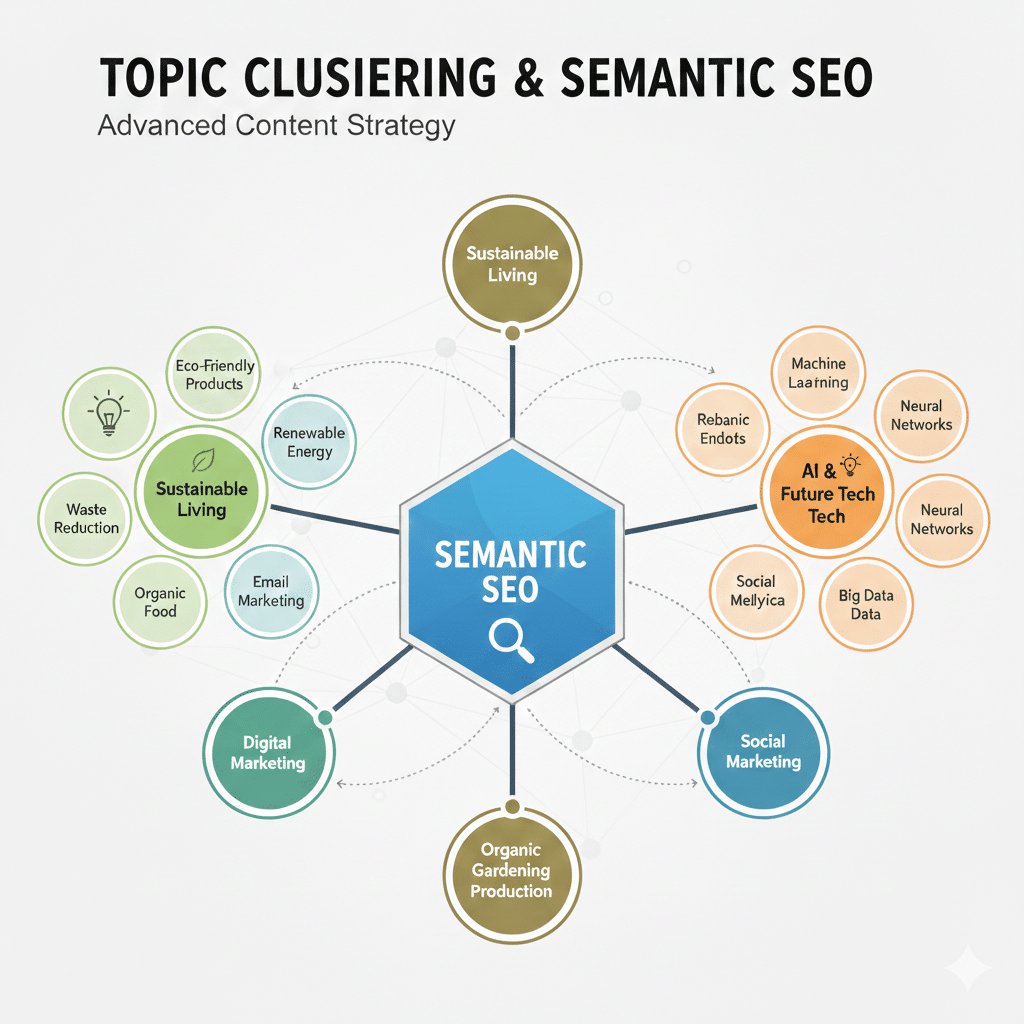
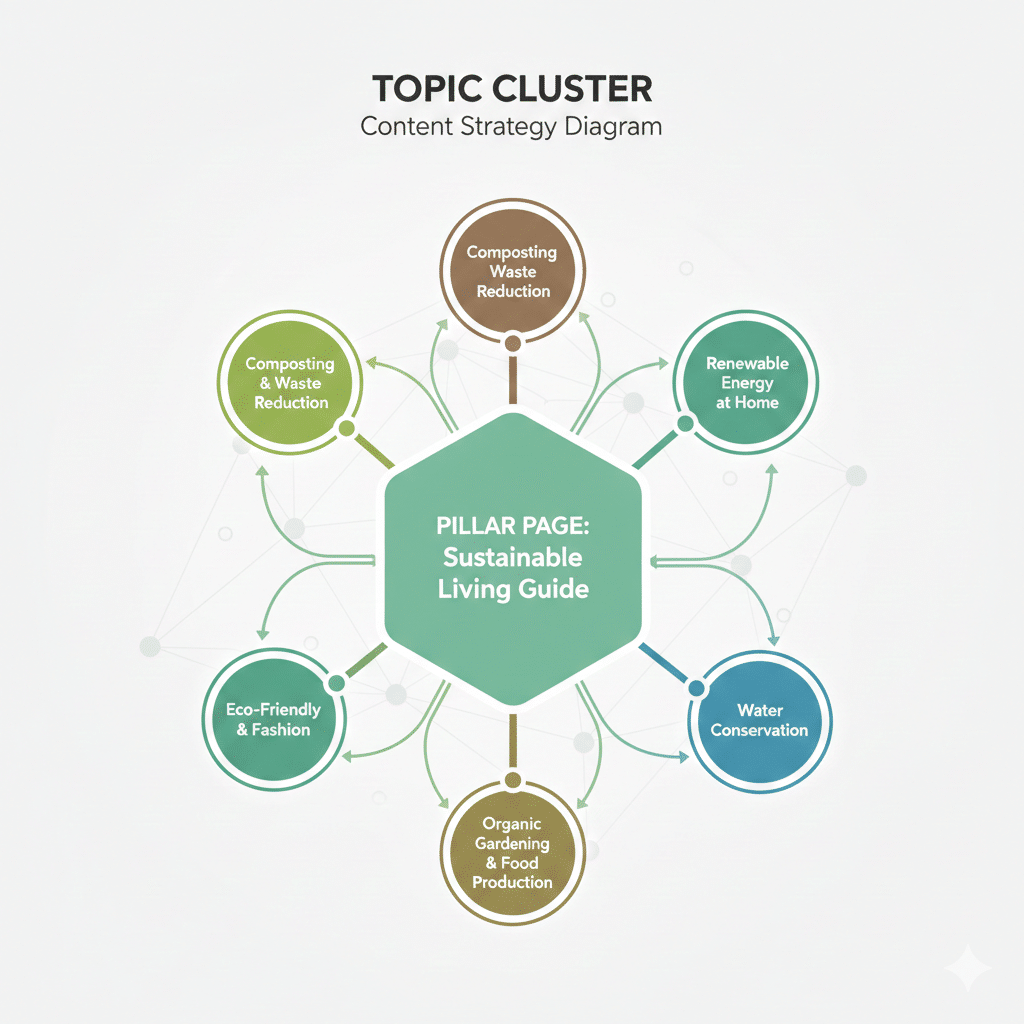
Group related keywords into clusters and build pillar pages with supporting posts. This signals topical authority to search engines.
Cluster structure
- Pillar page covers the broad topic and targets the primary keyword.
- Cluster pages target long‑tail and question keywords and link back to the pillar.
Topic clustering is a strategic effective keyword research technique for improved organic SEO traffic that boosts internal linking and topical relevance.
Using Internal Search Data
Analyze what users search for on your site to find content gaps and high‑intent queries.
Actionable steps
- Export site search queries monthly.
- Identify repeated queries with no matching content.
- Create targeted pages for those queries.
Internal search is a goldmine for effective keyword research techniques for improved organic SEO traffic because it reflects real user intent.
Refreshing Old Content with New Keywords
Update underperforming pages by adding relevant long‑tail keywords, improving on‑page signals, and refreshing data.
Refresh checklist
- Add new sections targeting long‑tail queries.
- Update statistics and examples.
- Improve internal linking and schema.
Refreshing content is an efficient effective keyword research technique for improved organic SEO traffic that often yields quick gains.
How to Turn Keywords into SEO‑Optimized Content
Research is only half the battle. Turning keywords into content that ranks and converts requires discipline and best practices.
Keyword Placement Best Practices
- H1: include the primary keyword once.
- Meta title & description: include the primary keyword and a compelling CTA.
- First 100 words: use the primary keyword naturally.
- H2/H3: use secondary keywords and semantic variations.
- Body: distribute the primary keyword and LSI phrases naturally.
Following these placement rules is part of effective keyword research techniques for improved organic SEO traffic and helps Rank Math and other SEO plugins understand page focus.
Avoiding Keyword Stuffing
Write for humans first. Use synonyms and LSI phrases to vary language. If a sentence reads awkwardly, rewrite it. Natural language is rewarded by search engines.
Internal Linking for Organic Traffic SEO
Link from high‑authority pages to new content using descriptive anchor text. This helps distribute link equity and improves crawlability.
Internal linking tips
- Use 2–4 internal links from relevant pages.
- Avoid over‑optimizing anchor text; use natural phrases.
- Link to pillar pages from cluster posts.
Internal linking is a practical effective keyword research technique for improved organic SEO traffic that amplifies content reach.
Content Formats That Capture Organic Traffic
Different keywords require different content formats. Match format to intent to maximize organic traffic SEO.
- How‑to guides: for informational intent.
- Comparison pages: for commercial intent.
- Product pages: for transactional intent.
- FAQ and listicles: for featured snippets and People Also Ask.
- Case studies and data‑driven posts: for authority and backlinks.
Choosing the right format is a tactical effective keyword research technique for improved organic SEO traffic.
Measuring Keyword Performance and Organic Traffic Growth
Track the right KPIs to evaluate the impact of your keyword research and optimization.
Key metrics
- Rankings for target keywords.
- Impressions and CTR from Search Console.
- Organic sessions and conversions from analytics.
- Engagement metrics: time on page, bounce rate, pages per session.
Review cadence
- Monitor active campaigns monthly.
- Audit pillar pages quarterly.
- Refresh content every 3–6 months based on performance.
Measurement and iteration are essential effective keyword research techniques for improved organic SEO traffic.
When to Update or Replace Keywords
Not every keyword remains valuable forever. Update or replace keywords when:
- Rankings decline for a page that previously performed well.
- Search intent shifts and the SERP changes.
- New competitors enter the space with better content.
- You identify higher‑opportunity keywords through ongoing research.
A proactive update strategy is a core effective keyword research technique for improved organic SEO traffic.
Content Pruning Strategy
Pruning low‑value pages can improve overall site performance and focus crawl budget.
Pruning checklist
- Identify pages with low traffic and low conversions.
- Merge thin content into stronger pages where appropriate.
- Redirect removed pages to relevant pillars.
Pruning is an advanced effective keyword research technique for improved organic SEO traffic that improves site quality signals.
Common Keyword Research Mistakes That Kill Organic SEO Traffic
Avoid these common errors that undermine your keyword strategy.
- Chasing only high‑volume keywords without intent alignment.
- Ignoring SERP analysis and publishing the wrong content type.
- Not using long‑tail keywords for organic traffic that convert better.
- Over‑optimizing anchor text and internal links.
Correcting these mistakes is part of applying effective keyword research techniques for improved organic SEO traffic.
Building a Sustainable Organic Traffic SEO Strategy
Effective keyword research techniques for improved organic SEO traffic are iterative, measurable, and audience‑centric. Build a content calendar around clusters, prioritize long‑tail opportunities, and measure impact consistently. Over time, disciplined application of these techniques compounds into steady organic traffic growth and stronger search visibility.
Long‑term priorities
- Invest in topical authority through pillar pages and clusters.
- Use data to prioritize content that moves business metrics.
- Keep refreshing and pruning to maintain relevance.