
Ultimate Guide to SEO and Email Marketing: Strategies to Skyrocket Your Online Presence
In today’s digital landscape, SEO and email marketing stand out as two powerhouse strategies for driving sustainable growth. Businesses that master SEO and email marketing integration often see higher traffic, better engagement, and improved conversions.
This comprehensive guide explores how SEO and email marketing work together, highlights the seo and email marketing difference, and reveals practical ways email seo and mail seo techniques can boost your organic rankings.
Whether you’re a beginner or seasoned marketer, understanding SEO and email marketing can transform your approach. Let’s dive in.
Start Learning Now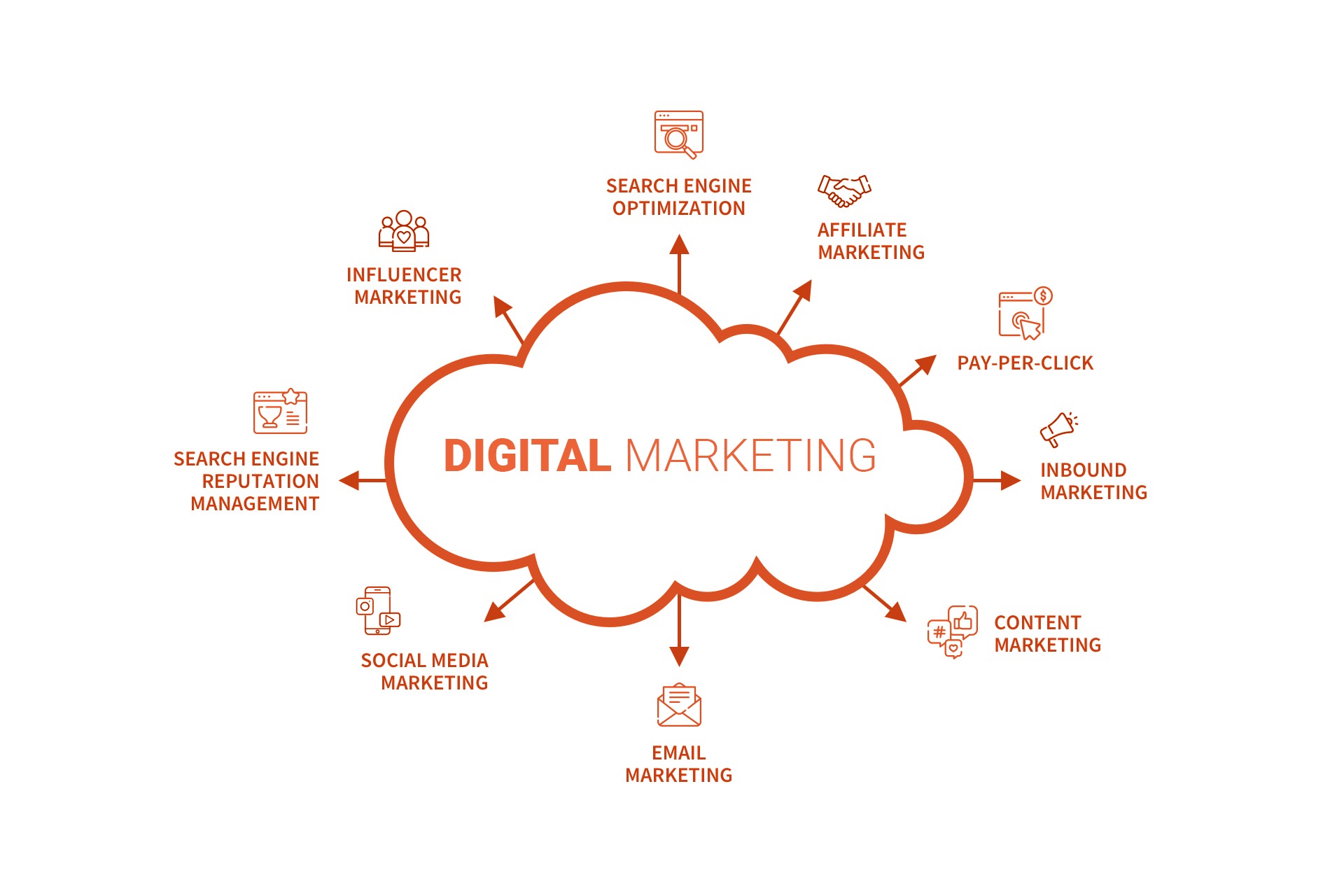
Visual representation of SEO and Email Marketing synergy
What is SEO and Email Marketing?
SEO and email marketing combine two distinct yet complementary disciplines. Search Engine Optimization (SEO) focuses on improving your website’s visibility in organic search results through keywords, content quality, technical fixes, and backlinks. It attracts users actively searching for solutions.
Email marketing, on the other hand, involves sending targeted messages to a permission-based list of subscribers. These emails promote products, share content, nurture leads, and drive repeat business. Platforms like Mailchimp make it easy to create, automate, and track campaigns.
Together, SEO and email marketing create a full-SEO funnel strategy. SEO brings in new visitors, while email marketing keeps them engaged long-term. This synergy amplifies results beyond what either tactic achieves alone.
Seo and Email Marketing Difference: Key Distinctions Explained
Many marketers confuse SEO and email marketing, but the seo and email marketing difference is clear.
SEO is passive and long-term. It relies on search engines like Google to rank your content. Results build slowly but last for years. Traffic comes from organic searches, often from users in research or buying mode.
Email marketing is direct and immediate. You reach subscribers who have already shown interest by opting in. Emails land in inboxes, offering high control over timing and personalization. Conversions can happen quickly, but deliverability and list health require constant attention.
The seo and email marketing difference boils down to audience acquisition versus retention. SEO excels at discovery; email marketing shines at loyalty. When combined, they cover the entire customer journey.
Note: Does SEO apply to email marketing? Not directly. Search engines do not index email content. However, email seo strategies use emails to support website SEO indirectly.
Does SEO Apply to Email Marketing? The Truth Revealed
A common question is: Does SEO apply to email marketing? The short answer is no — not in the traditional sense.
Emails are private communications. Google and other search engines cannot crawl or rank them. Email seo does not mean optimizing emails for search rankings. Instead, email seo and mail seo refer to using email campaigns to enhance your website’s SEO performance.
For example, sending emails that drive traffic to blog posts improves engagement signals. Higher time on page, lower bounce rates, and more pages per session tell Google your content is valuable. This boosts rankings over time.
Mail seo techniques focus on the same goal: turning subscribers into website visitors who engage deeply. This indirect approach makes SEO and email marketing a powerful duo.
How SEO and Email Marketing Work Together for Better Results
SEO and email marketing complement each other perfectly. Here’s how they create synergy:
- Traffic Amplification Emails drive targeted visitors to your site. Consistent traffic from engaged subscribers signals quality to search engines.
- Content Promotion New blog posts or guides get immediate exposure through emails. This increases shares, comments, and natural backlinks.
- Engagement Boost Relevant emails reduce bounce rates. Readers who arrive from emails tend to stay longer and explore more.
- Data-Driven Insights Email analytics reveal what content resonates. Use these insights to refine SEO keyword strategies and content topics.
- Brand Authority Building Regular newsletters position you as an expert. More brand searches and mentions improve SEO rankings.
Integrating SEO and email marketing turns one-time visitors into loyal subscribers, creating a virtuous cycle of growth.
Which of the Following is a Way Email Marketing Can Be a Catalyst for SEO Success?
Email marketing acts as a catalyst for SEO success in several indirect ways. One key way is driving targeted traffic to your website. When subscribers click through to read your content, it improves behavioral metrics that search engines value.
Other catalysts include:
- Revitalizing old content with fresh email promotions.
- Encouraging social shares that generate backlinks.
- Boosting on-site engagement signals.
Email marketing operates behind the scenes through indirect methods. It does not notify search engines directly or replace on-page optimization. Instead, it supports SEO by enhancing user behavior data.
Benefits of Monitoring Your Contacts’ Behavior on Your Website for Email Marketing
Monitoring contacts’ behavior on your website offers tremendous value for email marketing.
- Improved segmentation: Group subscribers based on pages visited, products viewed, or time spent for highly targeted campaigns.
- Enhanced personalization: Tailor emails to specific behaviors (abandoned cart reminders, content follow-ups) for higher open and click rates.
- Identification of top-performing links: Learn which calls-to-action drive engagement to refine future emails.
- Higher relevance: Relevant emails improve deliverability and reduce unsubscribes, creating a stronger list for long-term SEO and email marketing efforts.
Mailchimp and SEO and Email Marketing Integration Tips
Mailchimp remains a top choice for blending SEO and email marketing.
Use Mailchimp to:
- Embed signup forms on high-ranking SEO pages to grow your list.
- Send automated campaigns promoting new blog content.
- Track click-through rates to see which pages get the most email-driven traffic.
- Integrate with Google Analytics for deeper insights into email-to-site journeys.
Mailchimp also offers segmentation tools that align perfectly with email seo goals. By targeting engaged subscribers, you drive higher-quality traffic that boosts organic rankings.
Integrated Campaign Results
Businesses combining SEO and email marketing effectively often see up to 250% higher traffic and 120% more conversions than using either strategy alone.
Seo and Email Marketing Course Recommendations
Investing in a seo and email marketing course accelerates your learning.
Look for courses that cover:
- HubSpot Academy’s free Email Marketing and SEO modules.
- Coursera’s Digital Marketing Specialization, including SEO and email marketing integration.
- Udemy courses on Mailchimp automation and email seo strategies.
- Semrush Academy for advanced SEO tactics combined with email.
A good seo and email marketing course emphasizes practical integration, analytics, and case studies with hands-on projects.
Trigger-Based Emails: Which Statements Are True?
Trigger-based emails — also called automated or behavioral emails — deliver messages based on user actions.
True statements include:
- They are highly personalized and sent at the perfect moment (welcome series, abandoned cart reminders).
- They boost engagement with higher open rates and conversions compared to broadcast emails.
- They save time by automating repetitive tasks while improving customer experience.
- They nurture leads effectively, moving them through the funnel automatically.
False statements might claim they replace manual campaigns entirely or work without user data. In reality, trigger-based emails thrive on accurate behavior tracking.
Benefits of Integrating Email Marketing and Social Media
Combining email marketing and social media multiplies reach and impact:
- Cross-promotion drives traffic between channels.
- Social shares increase email signups and content visibility.
- User-generated content from social can be repurposed in emails.
- Consistent messaging builds stronger brand recall.
- Analytics from both channels refine targeting and content.
This integration supports SEO and email marketing by generating more backlinks, social signals, and referral traffic.
Which of the Following is Not a Way Email Marketing Can Provide Support for Your SEO Strategy?
Email marketing supports SEO indirectly, but some options do not apply.
Not a valid way: Directly ranking emails in search engine results. Emails remain private and unindexed.
Valid ways include: traffic generation, engagement improvement, content promotion, and data insights. Avoid misconceptions that email seo means emails themselves rank in Google.

Advanced SEO and Mail SEO techniques for ranking improvement
Advanced Email SEO and Mail SEO Techniques to Boost Rankings
Master email seo and mail seo with these techniques:
Keyword Alignment Use the same keyword in emails and website content for consistency.
- Content Teasers: Share snippets of blog posts in emails with links to full articles.
- Re-engagement Campaigns: Reactivate dormant subscribers to increase overall site traffic.
- Personalized Recommendations: Suggest content based on past behavior to drive deeper engagement.
- Mobile Optimization: Ensure emails look great on mobile, matching your site’s mobile-friendly SEO.
- A/B Testing: Test subject lines and CTAs to maximize click-throughs to SEO-optimized pages.
These email seo tactics turn subscribers into active website users, strengthening your organic performance.
Best Practices for SEO and Email Marketing Integration
- Build a high-quality email list through SEO content opt-ins.
- Promote evergreen content regularly via newsletters.
- Use UTM parameters to track email traffic in Google Analytics.
- Segment lists based on SEO performance data.
- Repurpose top-ranking content into email series.
- Monitor core web vitals and ensure email links lead to fast-loading pages.
Consistency matters. Regular emails keep your audience engaged while supporting SEO signals.
Common Mistakes to Avoid in SEO and Email Marketing
Avoid these pitfalls:
- Ignoring mobile optimization in emails.
- Over-sending, leading to unsubscribes and spam complaints.
- Neglecting list hygiene, which hurts deliverability.
- Failing to track email-driven traffic impact on SEO.
- Using generic content instead of personalized email seo approaches.
Steer clear of these to maximize SEO and email marketing results.
Case Studies: Real-World Success with SEO and Email Marketing
Many brands thrive by combining SEO and email marketing.
E-commerce Example: A store used Mailchimp to promote SEO-optimized product guides. Email traffic improved dwell time and reduced bounce rates, pushing rankings higher.
Publisher Example: A blog sent weekly newsletters highlighting new posts. Shares and backlinks increased, driving organic growth.
These examples show how email seo and mail seo deliver measurable results.
Future Trends in SEO and Email Marketing
Looking ahead:
- AI-driven personalization will enhance email seo.
- Privacy regulations like GDPR will emphasize consent-based lists.
- Interactive emails will boost engagement.
- Voice search integration will influence content shared via email.
Stay adaptable to keep SEO and email marketing effective.
Harness the Power of SEO and Email Marketing
SEO and email marketing together form a robust growth engine. By understanding the seo and email marketing difference, leveraging email seo and mail seo, and integrating tools like Mailchimp, you can drive targeted traffic, improve engagement, and strengthen organic rankings.
Start small: Build your list, promote content, and track results. Over time, SEO and email marketing will deliver compounding benefits.
Frequently Asked Questions About SEO and Email Marketing
What is SEO and email marketing?
SEO and email marketing refer to two digital strategies that work together to increase organic traffic, engagement, and conversions. SEO attracts users through search engines, while email marketing nurtures and retains them.
What is the Seo and email marketing difference?
The Seo and email marketing difference lies in traffic sources. SEO focuses on organic search visibility, while email marketing targets an owned subscriber list. When combined, they strengthen each other.
Does SEO apply to email marketing?
SEO does not directly apply to emails because search engines do not index inboxes. However, SEO principles strongly support email campaigns by optimizing landing pages and content relevance.
What is email seo?
Email seo is the practice of using email campaigns to drive traffic to SEO-optimized content, improving engagement metrics that indirectly support organic rankings.
What is mail seo?
Mail seo focuses on aligning email traffic with SEO goals, ensuring subscribers interact meaningfully with optimized web pages.
Which of the following is a way email marketing can be a catalyst for SEO success?
Driving consistent traffic to high-quality content, improving dwell time, increasing branded searches, and amplifying content for backlinks are all ways email marketing supports SEO success.
Which of the following is not a way email marketing can provide support for your SEO strategy?
Email marketing does not directly improve keyword rankings. Its impact on SEO is indirect through engagement and visibility.
What is the benefit of monitoring your contacts’ behavior on your website for email marketing?
Monitoring behavior enables better personalization, segmentation, and optimization of content, improving both email performance and SEO engagement signals.
Which of the following are benefits of integrating email marketing and social media?
Increased reach, higher engagement, improved brand awareness, and greater backlink opportunities are key benefits.
Which of the following statements about trigger-based emails are true?
Trigger-based emails increase relevance, drive repeat visits, and improve engagement. However, they do not directly affect Google rankings.